
Fever Tree (Acacia xanthophloea)
Uses: The Fever tree has a variety of uses, including medicinal applications, particularly for treating fevers and other ailments. Additionally, its wood is used for carving and fuel. Cultural Significance: …

Uses: The Fever tree has a variety of uses, including medicinal applications, particularly for treating fevers and other ailments. Additionally, its wood is used for carving and fuel. Cultural Significance: …

Uses: Olive oil production, culinary uses, wood for carving. Cultural Significance: Symbol of peace and prosperity in some cultures. Economic Benefits: Olive oil production, export market. Regions: Coastal areas and …

Uses: Timber for construction and furniture, ornamental purposes. Cultural Significance: Planted in parks, gardens, and urban areas for landscaping. Economic Benefits: Timber production, landscaping services. Regions: Highland areas with moderate …

Uses: The Mugumo tree is sacred in some Kenyan communities, with various parts of the tree used for traditional medicine, rituals, and cultural ceremonies. The tree provides shade and habitat …

Uses: The Neem tree is known for its medicinal properties, with various parts of the tree used in traditional medicine for treating skin conditions, fever, infections, and as an insect …
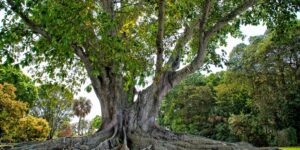
Uses: Ornamental purposes, shade provider, food for wildlife. Cultural Significance: In some cultures, Fig trees are considered sacred and are sites for rituals and prayers. Economic Benefits: Limited economic value …

Uses: Eucalyptus trees are valued for their fast growth and high-quality wood, which is used for construction, paper production, and fuelwood. Eucalyptus oil extracted from the leaves has medicinal and …